
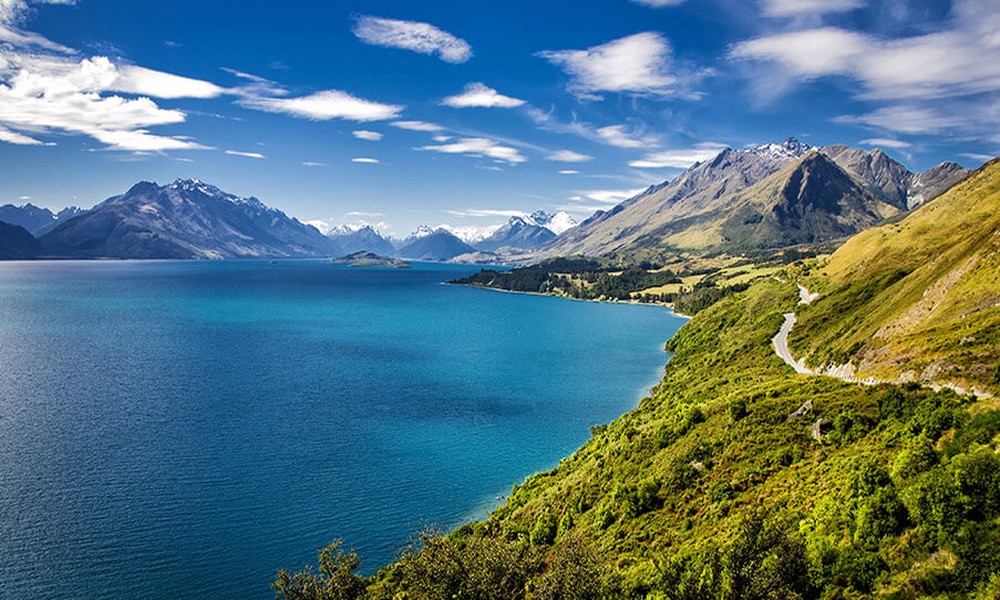
There’s a certain kind of trip you take in New Zealand where everything feels rushed. You tick off Queenstown, snap a photo at Lake Tekapo, maybe squeeze in Milford Sound if the weather cooperates, and then you’re back in the car, chasing the next “must-see” spot.
I’ve done that version of New Zealand. It’s beautiful, no doubt, but it’s also exhausting. And if I’m honest, it barely scratches the surface of what this country offers.
The trips that stick with you? They’re slower. Less structured. A little messier, maybe. But they’re the ones where you pull over because something looks interesting, not because it’s on a list.
That’s where New Zealand really shines.
And part of that slower, more intentional way of travelling often means giving yourself options, like bringing bikes along so you can explore places you’d otherwise drive straight past. I’ve found that having that flexibility (and a simple setup, like VelociRAX bike racks) makes it easier to stop, wander, and actually experience the places you’re passing through.
Because the truth is, some of the best parts of New Zealand aren’t destinations. They’re the in-between.
The Problem With “Checklist Travel”
There’s nothing wrong with wanting to see the highlights. If you’ve flown halfway across the world (or even just planned a long-awaited domestic trip), of course you want to make the most of it.
But New Zealand isn’t really built for rushing.
Distances look short on a map, but the roads wind, the scenery distracts you, and you end up pulling over every hour anyway. A “three-hour drive” can easily turn into five if you let it, and honestly, you should.
I’ve learned this the hard way. One trip, I planned out nearly every stop. Booked accommodation in advance, mapped out driving times down to the hour. It all looked perfect on paper.
In reality? I spent more time watching the clock than the landscape.
Slow travel flips that. Instead of asking, “How much can we fit in?” you start asking, “What’s worth staying for?”
What Slow Travel Actually Looks Like
Slow travel doesn’t mean doing nothing. It just means doing less, more intentionally.
It might look like:
- Spending two nights in a place you originally planned for one
- Taking a detour down a gravel road just to see where it leads
- Stopping at a small-town café instead of pushing through to the next city
New Zealand is full of these little moments. A quiet beach with no one else around. A walking track you didn’t plan for. A roadside fruit stall that somehow becomes the highlight of your day.
If you need a bit of inspiration, the team at Tourism New Zealand has a great collection of lesser-known spots and regional guides. It’s a good reminder that there’s a lot more to explore beyond the usual Instagram circuit.
Why Having a Bike Changes Everything
Here’s something I didn’t fully appreciate until I tried it: having a bike with you completely changes how you experience a place.
You’re no longer limited to car parks and viewpoints. You can follow a trail along a river, explore a coastal path, or ride into a town instead of driving straight through it.
And in New Zealand, that matters. There are so many incredible cycle trails and quiet backroads that you’d miss otherwise.
The New Zealand Cycle Trail (Ngā Haerenga) network alone covers thousands of kilometres, with routes ranging from easy scenic rides to more challenging adventures. Even if you’re not planning a full cycling holiday, having access to a bike opens options.
I remember stopping near the Otago Rail Trail with no real plan, just a bit of extra time. We pulled the bikes off, rode for an hour or two, and ended up chatting with a couple who’d been travelling the trail for days. It wasn’t on the itinerary. It wasn’t even on the radar.
But it ended up being one of the most memorable parts of the trip.
The Magic of Small Towns
If you slow down in New Zealand, you’ll inevitably spend more time in smaller towns. And honestly, that’s where a lot of the charm is.
Places like:
- Hāwera, with its unexpected arts scene
- Wānaka (yes, it’s popular, but stay a little longer and you’ll see a quieter side)
- Collingwood at the top of the South Island, where time seems to move differently
These aren’t always places you plan your trip around, but they’re often the ones you remember.
You notice the details more. The way locals greet you. The rhythm of the place. The fact that not everything is designed for tourists.
And when you’re not rushing, you have the freedom to linger. To stay for another coffee. To walk a little further. To explore just a bit more.
Letting the Trip Evolve
One of the hardest parts of slow travel, especially if you’re used to planning everything, is letting go of control.
You might not know exactly where you’ll stay every night. You might change your route halfway through. You might spend more time in one place and skip another entirely.
And that’s okay.
Some of the best travel experiences happen when things don’t go exactly to plan.
I’ve had trips where a closed road forced a detour that led to a hidden waterfall. Or where bad weather kept us in one place longer than expected, and we ended up discovering a local spot we’d never have found otherwise.
If you want to keep things flexible while still staying safe, it’s worth checking resources like New Zealand Transport Agency (Waka Kotahi) for road conditions and travel updates. It gives you just enough structure without locking you into a rigid plan.
You Notice More When You Slow Down
This might sound obvious, but it’s worth saying: when you’re not rushing, you notice where you are.
The colour of the water. The smell of the air after it rains. The way the light changes in the late afternoon.
It’s easy to miss those things when you’re focused on getting somewhere.
Slow travel gives you space to pay attention.
And in a place like New Zealandwhere the landscapes are constantly shifting, from mountains to coastline to farmland in a matter of hours, that awareness makes a big difference.
It’s Not About Doing Less, It’s About Experiencing More
People sometimes think slow travel means sacrificing experiences. But in reality, it’s the opposite.
You might see fewer places, but you experience them more deeply.
You remember the details. The conversations. The unexpected moments.
And those are the things that stay with you long after the trip ends.
Final Thoughts
New Zealand rewards curiosity. It rewards patience. And it definitely rewards those who are willing to slow down.
So, if you’re planning a trip, whether it’s a weekend getaway or a full North-to-South adventure, consider leaving a little space in your itinerary. Give yourself time to explore, to wander, and to change your plans if something better comes along.
Because the best parts of New Zealand aren’t always the ones you plan for.
They’re the ones you stumble into when you’re not in a hurry.