
 By
By 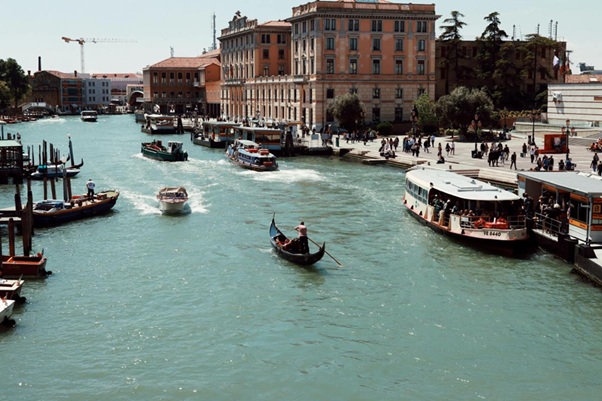
Venice doesn’t announce romance. It doesn’t need to. What it offers is quieter, more persuasive: a city that slows you down without asking, that narrows your world to footsteps, glances, shared silences. Romance here isn’t an activity. It’s a byproduct of how the city works.
You don’t plan a romantic escape in Venice so much as you allow one to happen.
Walk Without Purpose, Together
The most romantic thing you can do in Venice is walk with no destination. Not toward a landmark, not toward dinner — just forward, then left, then wherever the street suggests next.
The city rewards this kind of wandering. Calli tighten, open, curve unexpectedly. Campi appear like pauses in conversation. You start noticing details meant only for those who aren’t rushing: a faded fresco above a doorway, flowers on a windowsill, the sound of cutlery drifting from an unseen kitchen.
Sharing this aimlessness creates an intimacy that no itinerary can replicate. You’re both equally lost, equally attentive.
Choose Water Over Land, Occasionally
Gondolas get all the attention, but the real romance of Venice is water as movement. Vaporetto rides at the right hour — early morning or late evening — feel unguarded, almost domestic.
Sitting side by side, watching the city slide past, you experience Venice as a continuous surface rather than a series of stops. It’s less cinematic, more lived-in. And often more memorable.
Sit Longer Than Necessary
Venice teaches patience by example. Coffee doesn’t rush you. Aperitivo stretches naturally into dinner. Even ordering feels slower, softened by accents and pauses.
Romance here often happens at tables you didn’t plan to sit at for long. You start talking because there’s time to talk. You watch people because nothing else demands attention. The absence of urgency becomes its own luxury.
Let Evenings Arrive Gradually
As day-trippers leave, Venice changes tone. Voices lower. Footsteps echo differently. Lights warm the stone instead of reflecting off it.
This is the hour for walking again — not to see anything new, but to see familiar streets emptied of performance. The city feels less aware of being watched. More itself. That honesty is deeply appealing, especially when shared.
Cross the City, Not Just the Highlights
Romantic Venice isn’t confined to a single district. Cross bridges. Move between sestieri. Let neighborhoods blur.
The further you go from obvious routes, the more Venice feels like a private experience rather than a public one. Laundry lines replace souvenir stands. Local bars outnumber restaurants. Even disagreements sound different when they’re not part of a spectacle.
Sleep Where Silence Matters
Where you stay influences how romance unfolds. In Venice, evenings and mornings carry as much weight as afternoons. Quiet matters. Orientation matters. The feeling of returning somewhere that feels removed from the city’s surface.
This is why hotels in Venice often feel less like places to impress and more like places to retreat. Thick walls. Inner courtyards. Windows that frame rooftops rather than crowds. Romance here lives in the margins of the day.
Accept Imperfection
Venice is damp. It can smell. It floods. Plans change. This fragility is part of its appeal. Romance thrives not despite these imperfections, but because of them.
You adapt together. You laugh at inconveniences. You adjust your pace. The city invites a kind of softness — toward it, and toward each other.
Why Venice Works, Every Time
Venice doesn’t manufacture romance. It creates conditions for it. Slowness. Proximity. Uncertainty. Beauty that doesn’t need explanation.
You leave without dramatic declarations or staged memories. Instead, you carry small, shared moments — a turn taken, a street discovered, an evening that lasted longer than expected.
And long after the trip ends, those are the moments that remain.










Comments