
Wayanad, located in Kerala’s Western Ghats mountain range, is both easy to get to and very remote. This makes it a perfect spot for families and older people who want scenic car rides versus strenuous hiking.
There’s a variety of attractions in Wayanad, including misty viewpoints, waterfalls, spice plantations, and wildlife encounters, all connected by winding roads to form a network of attractions. The drives through Wayanad are refreshing in their own right, as most of them go through coffee estates, rice fields, and forests, with mountains surrounding you. When you stay centrally located in Kalpetta or Vythiri, you can easily access most attractions and avoid extensive driving.
Day 1: Waterfalls and Tea Estates
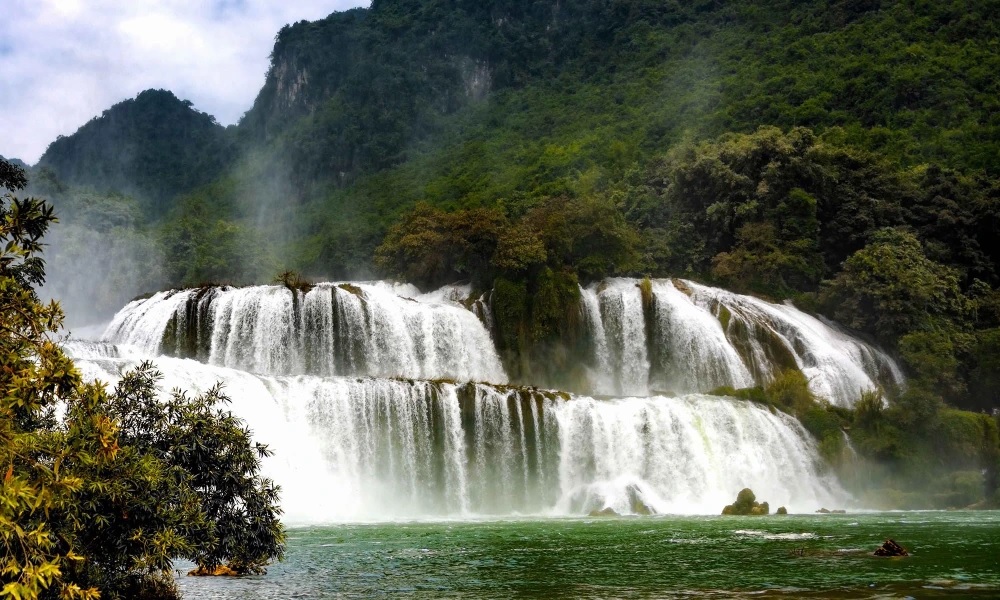
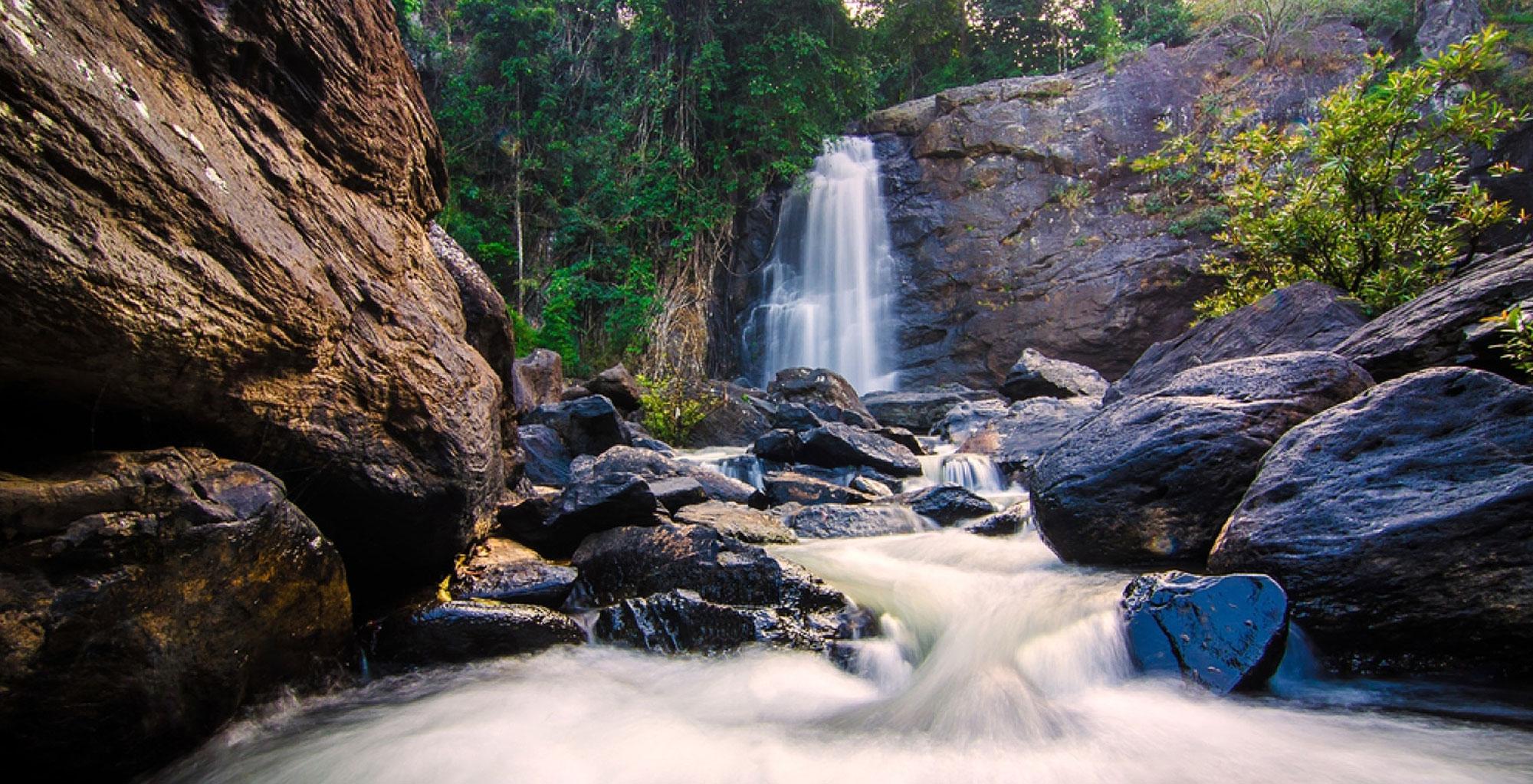
On your first morning in Wayanad, visit Soochipara Falls, which consists of three tiers of waterfalls and can be reached from the main parking area with a 20-minute walk. The falls are spectacular during the monsoon and post-monsoon months (June to January), though swimming is possible in the natural pool during drier periods.
After lunch, head to Pookode Lake, a scenic freshwater lake surrounded by forests. Boating here is pleasant and relaxed, and there’s a small aquarium and children’s park nearby. The drive itself through tea estates is lovely.
End the day at Lakkidi View Point, often called the gateway to Wayanad. The hairpin bends leading up offer stunning valley views, and the sunset from here can be magnificent on clear days.
Day 2: Caves, Viewpoints, and Wildlife
Start early at Edakkal Caves, perhaps Wayanad’s most significant historical site. The caves contain ancient petroglyphs dating back thousands of years. The journey requires some climbing, about 1 kilometre uphill, although this can be achieved by most fitness levels. The panoramic views from the high point are worth the effort.
After descending, travel by car to Banasura Sagar Dam, which is India’s largest earthen dam. The landscape surrounding the reservoir is amazing. Many small islands sit in the cool blue water, while mountains surround the water and provide a fantastic setting for the dam. Many hotels in Wayanad near Vythiri are within 15-20 minutes of this attraction, making it convenient for an early morning or late afternoon visit.
Later in the afternoon, visit Wayanad Wildlife Sanctuary and enjoy a jeep safari. You will most likely see elephants, deer, and many species of birds. However, spotting a tiger will be more difficult.
Day 3: Plantation Tours and Bamboo Rafting
Experience Wayanad’s agricultural history on the last day of your trip by taking a tour of a spice plantation. Guides will explain the growing process for cardamom, pepper, coffee, and vanilla. These tours provide sensory and educational experiences with opportunities to buy fresh spices at the end.
Afterwards, head to Kuruva Island, a cluster of islands on the Kabini River. Bamboo rafting here is gentle and suitable for all ages. The islands are covered in dense vegetation and offer peaceful walking trails.
Practical Considerations
Wayanad has clean and well-kept roads. Therefore, both self-driving and hiring a local driver are options. There is enough parking at most attractions, so you should have no problem parking. Even if it is not monsoon season, you should carry some light rain gear due to the nature of the region, which is at a higher altitude; you could encounter rain at any time.
The district has three main areas to consider for accommodation. Kalpetta serves as the commercial hub with good connectivity, whilst Vythiri offers a more serene, plantation setting. Meppadi sits closer to the southern attractions. Booking hotels in Wayanad well in advance during peak season (October to March) ensures better rates and availability, particularly for properties with valley or plantation views.
The Bottom Line
The Wayanad area proves to be full of beautiful landscapes that are not necessarily adventurous in nature. You can watch waterfalls spill over moss-covered rocks, look across the hills from the misty viewpoint areas, or see elephants in their natural habitat. You will go home with great memories of Wayanad and have plenty of beautiful photographs to remind you of that wonderful part of the world. In Wayanad, things are done at a much more gentle pace than normal; you will return home refreshed instead of being exhausted.